
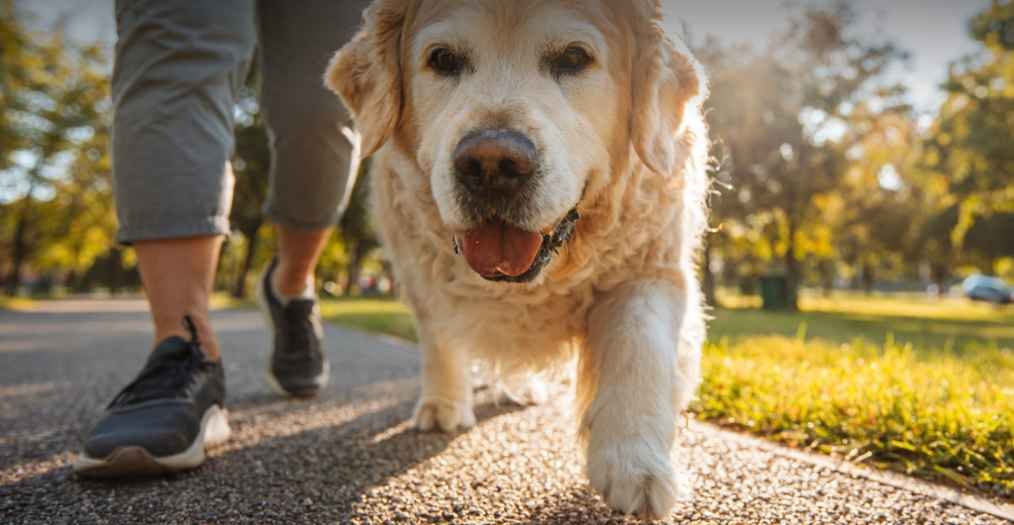
Watching my dog slow down happened gradually. First came the hesitation before jumping into the car. Then the stiffness after naps. Eventually, even short walks started looking uncomfortable. That was the moment I realized aging dogs need far more than “senior” food and shorter walks.
The right supplements completely changed my dog’s comfort, energy, and mobility. Some improved stiffness within weeks. Others quietly supported digestion, hydration, and cognitive health before bigger problems developed. Finding the best supplements for senior dogs became less about marketing claims and more about understanding what aging bodies actually need.
Many senior dogs develop arthritis, muscle loss, reduced joint lubrication, digestive sensitivity, and inflammation at the same time. That is why the most effective supplements rarely rely on one ingredient alone.
What Senior Dogs Actually Need From Supplements
Most owners buy supplements only after obvious limping starts. I made the same mistake.
Senior dogs often begin developing inflammation years before severe symptoms appear. By age eight, many dogs already experience cartilage breakdown, reduced flexibility, and chronic low-grade inflammation.
The most effective supplements usually target four areas:
- Joint cushioning
- Inflammation reduction
- Muscle preservation
- Cognitive support
One thing I learned quickly is that ingredient quality matters more than flashy packaging. I now look for the NASC seal because it confirms higher manufacturing and safety standards.
Quick Supplement Comparison Table
| Supplement Ingredient | Main Benefit | Best For |
| Glucosamine | Repairs cartilage | Arthritis and stiffness |
| Chondroitin | Improves joint cushioning | Mobility support |
| MSM | Reduces inflammation | Joint pain and swelling |
| Omega-3 Fish Oil | Natural anti-inflammatory | Stiff senior dogs |
| Collagen Type II | Supports cartilage structure | Aging joints |
| Hyaluronic Acid | Improves joint lubrication | Reduced flexibility |
| Probiotics | Supports digestion | Sensitive stomachs |
| DHA & Antioxidants | Cognitive support | Senior brain health |
Best Joint Supplements for Aging Dogs

Joint supplements created the biggest visible difference for my dog. Walking became smoother, stairs looked easier, and recovery after exercise improved noticeably.
Glucosamine and Chondroitin
These two ingredients remain the gold standard for joint support.
Glucosamine helps rebuild damaged cartilage while chondroitin helps retain water inside the joints for better shock absorption.
Veterinary formulas like Nutramax Dasuquin and Nutramax Cosequin Senior are widely recommended because they combine multiple clinically studied ingredients instead of relying on glucosamine alone.
Most dogs require at least four to six weeks before major improvement appears.
MSM and Omega-3s
MSM became surprisingly effective for stiffness.
It helps reduce inflammation while supporting connective tissues. I noticed my dog seemed less sore after walks once MSM was added consistently.
Fish oil also made a major difference. EPA and DHA omega-3 fatty acids naturally calm inflammatory processes affecting arthritic joints.
Combined together, they often provide better results than single-ingredient products.
Collagen and Hyaluronic Acid
These ingredients receive less attention but matter heavily for aging dogs.
Collagen Type II supports cartilage repair while hyaluronic acid thickens the fluid surrounding joints for smoother movement.
Some newer supplements combine these ingredients with green-lipped mussel, turmeric, or Boswellia for additional anti-inflammatory support.
Cognitive and Digestive Support Matters Too
Many owners focus only on joints while ignoring digestion and cognitive decline.
I started noticing subtle mental changes before physical symptoms became severe. My dog slept differently, paced more at night, and occasionally seemed confused after waking up.
Senior supplements containing DHA, antioxidants, and brain-support nutrients may help support cognitive function as dogs age.
Digestive supplements also became important because aging dogs process nutrients less efficiently.
Probiotics helped stabilize digestion while improving stool consistency and appetite.
Hydration also became harder to maintain with age. Monitoring early signs like dry gums, lethargy, and reduced skin elasticity became important, especially during summer. I became much more attentive to potential internal health issues after learning the signs of dehydration in dogs.
Senior Dog Mobility Support Goes Beyond Supplements
Supplements alone were not enough.

My dog improved much faster once I changed the home environment too. Proper senior dog mobility support requires reducing daily joint strain inside the house.
Simple changes helped immediately:
- Runner rugs on slippery floors
- Orthopedic memory foam bedding
- Elevated food bowls
- Pet ramps for sofas and vehicles
Slipping across hardwood floors was creating more joint stress than I realized.
Mobility harnesses also became useful during flare-ups because they helped reduce pressure on weak hind legs.
Dog Arthritis Pain Relief Tips That Actually Helped

Prescription medications eventually became part of our routine too.
Lifestyle support helped, but severe arthritis often requires veterinary pain management.
Heat Therapy Worked Better Than I Expected
Applying warm compresses before walks reduced morning stiffness dramatically.
I used a wrapped heating pad for about 15 minutes before activity. The warmth relaxed tight muscles surrounding painful joints.
Slow Walks Beat Intense Exercise
I used to think longer walks were better. They were not.
Short, consistent sniffing walks improved mobility more effectively than exhausting activity sessions.
Too much impact often caused painful flare-ups the next day.
Weight Loss Changed Everything
This produced the biggest improvement of all.
Even small amounts of extra weight increase pressure on inflamed joints. Once my dog lost several pounds, movement became noticeably easier.
Replacing calorie-dense treats with green beans and cucumbers helped without making my dog feel deprived.
Veterinary Pain Treatments
For advanced arthritis, veterinarians may recommend:
- Carprofen
- Galliprant
- Librela
These medications target inflammation and chronic pain more directly when supplements alone no longer provide enough relief.
Mistakes I Wish I Avoided Earlier
I waited too long before starting joint support.
Most cartilage damage happens slowly over years. By the time obvious limping appears, significant degeneration often already exists.
I also underestimated how much flooring affected mobility. My dog became far more confident once slippery areas were covered properly.
The biggest lesson was realizing that arthritis management works best when multiple small improvements work together:
- Supplements
- Weight control
- Controlled exercise
- Better traction
- Pain management
- Orthopedic support
No single product fixed everything alone.
My Final Bark on Senior Dog Supplements
Aging dogs do not suddenly stop enjoying life because they get older. They simply need more support to stay comfortable.
The right supplement routine gave my dog more confidence, smoother movement, and noticeably better energy. What surprised me most was how much small daily adjustments mattered alongside the supplements themselves.
If your dog is slowing down, start earlier than you think you need to. Joint damage rarely improves on its own, but consistent support can dramatically improve comfort and mobility over time.
The best results usually come from combining high-quality supplements, weight management, safer home surfaces, and gentle daily movement together instead of searching for one miracle solution.
FAQs
1. What is the best supplement ingredient for senior dogs with arthritis?
Glucosamine, chondroitin, MSM, and omega-3 fatty acids are among the most effective ingredients for arthritis support because they target cartilage repair and inflammation together.
2. How long do joint supplements take to work in dogs?
Most senior dogs show noticeable improvement within four to six weeks of consistent daily use.
3. Are fish oil supplements good for senior dogs?
Yes. Fish oil provides EPA and DHA omega-3 fatty acids that help reduce inflammation and support joint, skin, heart, and cognitive health.
4. Can senior dogs take human glucosamine supplements?
Veterinarians usually recommend dog-specific supplements because dosing, ingredient combinations, and added sweeteners in human products may not be safe for dogs.
5. What are the early signs a senior dog needs mobility support?
Common signs include stiffness after resting, slipping on floors, slower walking, hesitation using stairs, difficulty standing, and reduced interest in exercise.