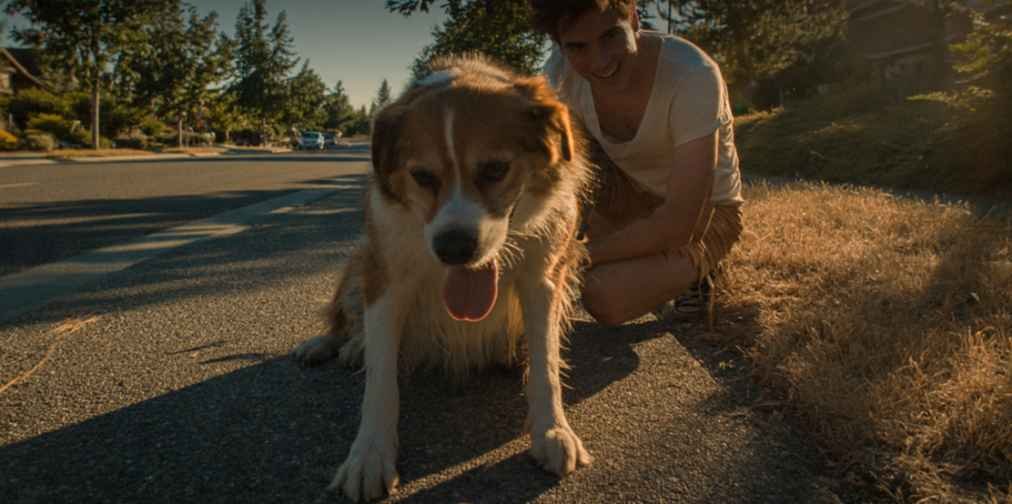
My dog once stopped halfway through a summer walk and refused to move. At first, I thought he was simply tired. Then I noticed his gums felt sticky, his eyes looked dull, and his saliva had turned thick and stringy. Those subtle changes turned out to be early signs of dehydration in dogs, and catching them quickly likely prevented a serious emergency.
Most owners expect dehydration to look dramatic. In reality, it often starts quietly. Mild fluid loss can escalate fast during hot weather, illness, long walks, or heavy play sessions. Dogs cool themselves mainly through panting, which burns through water rapidly.
Once I understood the early warning signs, I became much better at spotting dehydration before it became dangerous.
Quick Reference Table for Dog Dehydration Symptoms
| Symptom | What It May Indicate | Severity |
| Sticky gums | Mild dehydration | Early warning |
| Thick saliva | Reduced moisture levels | Early warning |
| Skin tenting | Poor hydration | Moderate |
| Sunken eyes | Fluid loss progression | Moderate |
| Dark urine | Concentrated waste | Moderate |
| Heavy panting | Rapid fluid loss | Moderate |
| Weakness or collapse | Shock risk | Emergency |
The Most Common Signs of Dehydration in Dogs
I learned that dehydration symptoms usually appear in clusters. Looking for several smal
l changes works better than waiting for one severe symptom.
Sticky or Dry Gums
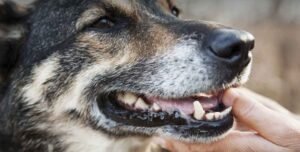
Healthy gums should feel slick and moist. Dehydrated gums often feel tacky or dry.
This became the fastest hydration check I used at home. If my dog’s gums lost their normal wet texture, I immediately monitored his water intake more carefully.
Skin Tenting
Veterinarians commonly use the skin turgor test to evaluate hydration.
Gently pinch the loose skin near your dog’s shoulders and release it. In hydrated dogs, the skin snaps back quickly. If it stays raised or slowly returns to normal, dehydration may already be developing.
Senior dogs naturally lose skin elasticity, so this test should be combined with other symptoms.
Thick, Rope-Like Saliva
Normal saliva appears thin and watery. Dehydrated dogs often develop sticky saliva that hangs from the mouth in strands.
I noticed this most after long outdoor activity during humid weather. It became one of the clearest early warning signs.
Sunken or Dull Eyes
Moderate dehydration can cause the eyes to appear recessed or tired-looking.
This happens because fluid loss affects the tissues behind the eyes. Combined with lethargy and panting, this symptom often signals worsening dehydration.
Dark Urine or Reduced Urination
A hydrated dog usually produces light yellow urine several times daily.
Dark yellow urine often means the body is conserving fluids. Some dehydrated dogs also urinate far less frequently because fluid reserves are already low.
Behavioral Changes Most Owners Miss
Behavior changes often appear before severe physical symptoms.
Sudden Lethargy
One of the first things I noticed was reduced enthusiasm.
My dog stopped playing normally and preferred lying down instead of moving around. Dehydrated dogs often conserve energy because circulation and temperature regulation become harder.
Heavy Panting Without Exercise
Panting after activity is normal. Continuous panting while resting is not.
Excessive breathing increases fluid loss even faster. This becomes especially risky during heatwaves or after intense outdoor exercise.
Loss of Appetite
Many dehydrated dogs lose interest in food.
Some dogs even stop drinking because overheating, nausea, or illness caused the dehydration initially.
How Much Water Should a Dog Drink Daily?
I started paying much closer attention to hydration after my experience.
The general recommendation is about 55 to 65 milliliters of water per kilogram of body weight daily. However, several factors can dramatically increase those needs.
Average Daily Intake by Dog Size
| Dog Size | Daily Water Intake |
| 5 kg toy dog | 275–325 ml |
| 10 kg small dog | 550–650 ml |
| 20 kg medium dog | 1.1–1.3 liters |
| 35 kg large dog | 1.9–2.3 liters |
| 50 kg giant dog | 2.7–3.2 liters |
Dogs eating dry kibble generally need more drinking water because kibble contains very little moisture compared to canned or fresh food.
Factors That Increase Water Needs
I noticed my dog’s hydration needs changed constantly depending on activity and weather.
Hot temperatures caused dramatically heavier panting. Long hikes increased water intake immediately afterward. Stressful or overstimulating environments also accelerated fluid loss because panting intensified.
Puppies, nursing mothers, and senior dogs dehydrate much faster than healthy adult dogs. Certain illnesses, including diabetes and kidney disease, can also trigger excessive thirst.
How I Monitor Hydration at Home
Small habits made hydration monitoring much easier.
Measuring Daily Water Intake
I started filling my dog’s water bowl to the same level every morning.
Tracking daily intake helped me spot unusual drinking patterns early. Sudden increases or decreases sometimes signaled health problems before visible symptoms appeared.
Checking Capillary Refill Time
This simple test became surprisingly useful.
Press gently against your dog’s gums until the tissue turns white. Release pressure and count how long it takes for the pink color to return.
Healthy circulation restores normal color within two seconds. Slower refill times may indicate dehydration or poor circulation.
Encouraging Slow Drinking
I made one major mistake after intense exercise.
I once allowed my overheated dog to drink massive amounts of water too quickly. My veterinarian later explained that rapid overconsumption can contribute to dangerous electrolyte imbalances called water intoxication.
Now I encourage slower drinking during cooldown periods.
When Dehydration Becomes an Emergency
Mild dehydration can often improve with fluids and rest. Severe dehydration becomes dangerous very quickly.
Emergency warning signs include:
- Weak hind legs
- Stumbling
- Confusion
- Persistent vomiting
- Rapid heart rate
- Pale gums
- Collapse
If these symptoms appear, immediate veterinary treatment matters. Severe dehydration can lead to circulatory shock, organ damage, and dangerously low blood pressure.
The Hidden Trigger I Rarely Saw Discussed
One factor many articles barely mention is overstimulation.
Dogs exposed to nonstop excitement, heat, noise, and activity often pant continuously for long periods. That constant panting quietly drains hydration much faster than most owners realize.
I noticed this during crowded parks and busy gatherings. My dog became exhausted much faster even while drinking water normally.
That experience is partly why learning how to calm an overstimulated puppy unexpectedly improved hydration management too. Less stress often reduced excessive panting significantly.
Small Prevention Habits That Helped Most
The biggest improvements came from simple daily habits.
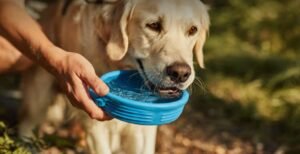
I started carrying portable water bowls during walks. I added multiple water stations around the house. I also cleaned bowls daily because stale water discouraged drinking more than I expected.
Frozen hydration treats helped during summer. Adding water directly into the kibble also increased overall fluid intake naturally.
Most importantly, I stopped assuming dogs automatically manage hydration perfectly on their own.
Your Dog Cannot Text You for Water
The tricky part about dehydration is how ordinary it can look at first. Mild lethargy, heavier panting, or sticky gums may not immediately feel dangerous until symptoms suddenly escalate.
Once I learned the early signs of dehydration in dogs, I started recognizing problems much faster and preventing stressful emergency situations. Small habits made the biggest difference: monitoring water intake, recognizing behavior changes early, and slowing things down during heat or overstimulation.
If your dog suddenly seems tired, restless, or unusually quiet, trust your instincts early. Hydration problems progress fast, but early action often works just as quickly.
Frequently Asked Questions
1. What are the first signs of dehydration in dogs?
Sticky gums, thick saliva, reduced energy, and heavy panting are often the earliest symptoms of dehydration.
2. How much water should a dog drink every day?
Healthy dogs generally need around 55 to 65 milliliters of water per kilogram of body weight daily.
3. Can dogs recover from dehydration at home?
Mild dehydration may improve with gradual fluid intake and rest. Severe symptoms require immediate veterinary treatment.
4. Why is my dog panting heavily but still drinking water?
Heavy panting may result from overheating, stress, illness, or overstimulation. Continuous panting still increases fluid loss rapidly.
5. What causes dehydration in dogs most often?
Hot weather, vomiting, diarrhea, intense exercise, illness, and insufficient water access are among the most common causes.