
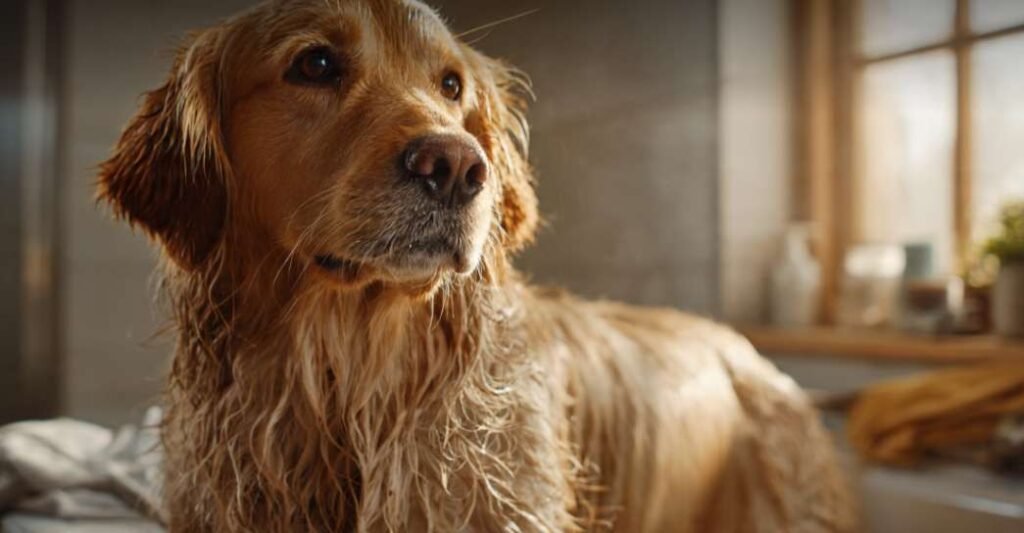
If you are wondering how often you should bathe a dog, the real answer is usually less often than you think. Most healthy dogs only need a bath every one to three months, but that schedule changes based on coat type, lifestyle, skin health, and odor.
I learned this after over-bathing a short-haired dog who kept scratching after every “freshen-up” bath. Once I stopped washing him too often and focused on brushing, paw wipes, clean bedding, and the right shampoo, his coat looked healthier and his itching eased.
Quick Answer: How Often Should You Bathe a Dog?
Most healthy dogs do well with a bath every one to three months. Some long-haired or curly-coated dogs need baths every four to six weeks. Double-coated dogs may only need a full bath every three to four months, unless they roll in mud or smell bad.
The best schedule is not just about the calendar. I look at four signs first: odor, visible dirt, coat texture, and skin condition. If my dog smells normal, has no greasy buildup, and brushes out well, I do not rush him into the tub.
Dog Bathing Frequency by Coat Type

Your dog’s coat gives the clearest clue. A Boxer, Husky, Poodle, and Chinese Crested should not follow the same bathing routine.
Short-haired dogs, such as Beagles, Boxers, and Boston Terriers, often need baths every two to three months. Their coats do not trap much dirt, so frequent bathing can dry the skin.
Medium, long, and curly-coated dogs usually need more maintenance. Golden Retrievers, Poodles, doodles, and Cocker Spaniels may need baths every four to six weeks. Their coats collect dust, pollen, and debris more easily. Curly coats also mat quickly if owners skip brushing.
Double-coated dogs, such as Huskies, German Shepherds, and Australian Shepherds, often need fewer baths and more brushing. A bath every three to four months may be enough for many of them. Their undercoat sheds naturally, which helps remove dead hair and skin.
Hairless dogs are different. Breeds like Chinese Cresteds may need weekly bathing because oil builds up directly on the skin. They also need gentle, dog-safe products to prevent irritation.
Quick Reference Table: Dog Bathing Schedule
| Dog Type or Situation | Suggested Bathing Frequency | Best Between-Bath Care |
| Short-haired indoor dog | Every 2–3 months | Weekly brushing and paw wipes |
| Medium or long-haired dog | Every 4–6 weeks | Brushing several times weekly |
| Double-coated dog | Every 3–4 months | De-shedding and regular brushing |
| Hairless dog | About weekly | Gentle skin cleaning |
| Muddy or smelly dog | As needed | Rinse, wipe, or bathe |
| Dog with itchy skin | Vet-directed schedule | Medicated or soothing shampoo |
| Home with dander-sensitive people | May need more cleaning | Bedding washes and brushing |
The Bath Trigger Test I Use Before Washing My Dog
Before I bathe my dog, I use a simple “Bath Trigger Test.” It helps me avoid unnecessary washing.
First, I smell the coat near the neck, back, ears, and belly. A mild dog smell is normal. A sour, yeasty, greasy, or rotten odor needs attention.
Next, I part the fur and check the skin. Healthy skin should not look red, scabby, wet, flaky, or swollen. Then I brush the coat. If dirt and loose hair come out easily, brushing may solve the problem without shampoo.
Finally, I check where the smell is coming from. Sometimes the coat is not the issue. Bad breath, dirty bedding, infected ears, anal gland issues, or stress licking can all make a dog seem dirty. If bath time makes your pet nervous, watch for signs your dog is stressed before forcing the routine.
Lifestyle Factors That Change Your Dog’s Bath Routine
A dog who hikes, swims, digs, or visits dog parks needs more cleaning than a quiet indoor dog. Still, m

ore cleaning does not always mean a full shampoo bath.
If my dog comes home dusty, I brush him first. If he has muddy paws, I rinse only the paws. If he rolls in something foul, then a full bath makes sense.
Swimming also changes the routine. Dogs who swim in lakes, pools, or the ocean may need a rinse afterward. Salt, chlorine, algae, and dirt can sit in the coat and irritate the skin.
Season matters too. Spring pollen can cling to fur and trigger itching. Winter air can dry the skin, so frequent bathing may make flakes worse. During allergy season, I often wipe paws, legs, and belly fur instead of bathing the whole dog.
When Itchy Skin Changes the Rules
Itchy skin needs extra care. Bathing can help, but the wrong shampoo, hot water, or rough drying can make the problem worse.
If your dog scratches nonstop, chews paws, smells yeasty, loses hair, or has recurring ear problems, do not treat it as a basic grooming issue. Allergies, fleas, yeast, bacteria, and dry skin can all cause itching.
Choosing the Best Dog Shampoo for Itchy Skin
The dog shampoo for itchy skin depends on the cause. For mild dryness, I look for a soap-free, dog-safe shampoo with soothing ingredients like colloidal oatmeal or aloe.
For stronger odor, greasy skin, yeast-like smells, or infection signs, I would not guess. A vet may recommend a medicated shampoo with active ingredients like chlorhexidine, ketoconazole, miconazole, or salicylic acid.
Never use human shampoo as your regular dog shampoo. A dog’s skin has different needs, and harsh formulas can leave the coat dry, itchy, or irritated.
Tips for Bathing an Itchy Dog
Use lukewarm water, not hot water. Hot water strips natural oils and can make itching worse.
If your dog uses medicated shampoo, let the lather sit for five to ten minutes, or follow your vet’s instructions. That contact time helps the active ingredients work.
Rinse very well. Leftover shampoo can irritate the skin. After the bath, pat your dog dry gently instead of rubbing hard with a towel. Friction can restart the itch cycle.
Why Brushing Matters More Than Extra Baths
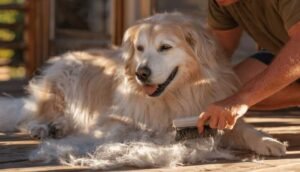
Many owners bathe when they should brush. Brushing removes loose hair, dirt, dander, and outdoor debris. It also spreads natural oils through the coat.
For long-haired dogs, brushing prevents mats. For double-coated dogs, it manages shedding. For short-haired dogs, it reduces odor and keeps the coat shiny.
I brush before every bath because water can tighten existing tangles. This is especially true for curly and long coats. A clean dog will also smell bad again if the bedding is dirty, so I wash blankets and crate pads often.
How to Brush Dog Teeth as Part of Grooming
A clean coat will not fix bad breath. If your dog smells dirty around the face, the mouth may be the real issue.
Learning how to brush dog teeth makes grooming more complete. Start slowly. Let your dog lick dog-safe toothpaste from your finger for a day or two. Then gently touch the gums. After that, introduce a dog toothbrush or silicone finger brush.
Lift the lip, hold the brush at a 45-degree angle, and use small circular motions. Focus on the outer tooth surfaces and back cheek teeth. Keep sessions short, around 30 to 60 seconds.
Never use human toothpaste. Daily brushing is ideal, but brushing three times a week is a good starting goal.
Signs You May Be Bathing Your Dog Too Often
Over-bathing can create the same problems you are trying to fix. If you wash too often, your dog may lose protective skin oils.
Common signs include dry flakes, dull coat, brittle hair, redness, and more scratching after baths. Some dogs also develop a greasy coat because the skin tries to replace lost oils too quickly.
If your dog smells bad one day after a bath, shampoo is probably not the full answer. The cause may be ears, teeth, skin infection, anal glands, or damp undercoat.
When to Ask a Vet
Call your vet if itching lasts more than a few days, the skin smells yeasty, or your dog has sores, scabs, bald patches, swelling, or recurring ear odor.
You should also ask before using medicated shampoo on puppies, senior dogs, pregnant dogs, or pets with chronic skin problems. Some dogs need frequent medicated baths at first, then fewer baths for maintenance.
FAQs
1. How often should you bathe a dog that stays indoors?
Most indoor dogs can be bathed every two to three months if they smell normal and have healthy skin. Brush weekly and wipe paws after walks.
2. Can I bathe my dog once a week?
Some dogs can handle weekly baths, especially hairless dogs or dogs with vet-managed skin issues. Most healthy coated dogs do not need weekly shampoo.
3. What happens if I never bathe my dog?
Oil, dander, dirt, and odor can build up. Long coats may mat, and skin irritation can develop. Even low-maintenance dogs need basic grooming.
4. What is the best dog shampoo for itchy skin?
The best dog shampoo for itchy skin depends on the cause. Oatmeal may help mild dryness, while yeast, bacteria, or allergies may need medicated shampoo.
5. Should I brush my dog before or after a bath?
Brush before the bath. This removes loose hair and tangles. After the coat dries, brush again if your dog’s coat needs it.
6. How often should you bathe a dog with sensitive skin?
Sensitive dogs need a custom schedule. Some need fewer baths with gentle shampoo. Others need frequent medicated baths under vet guidance.
Your Dog’s Bath Schedule Doesn’t Need Drama
So, how often should you bathe a dog in real life? Start with every one to three months, then adjust based on coat, smell, skin health, and lifestyle.
My best rule is simple: do not let odor be your only grooming alarm. Brush often, clean bedding, check the skin, use dog-safe shampoo, and include dental care. A clean dog is not just freshly bathed. A clean dog feels comfortable in healthy skin.