
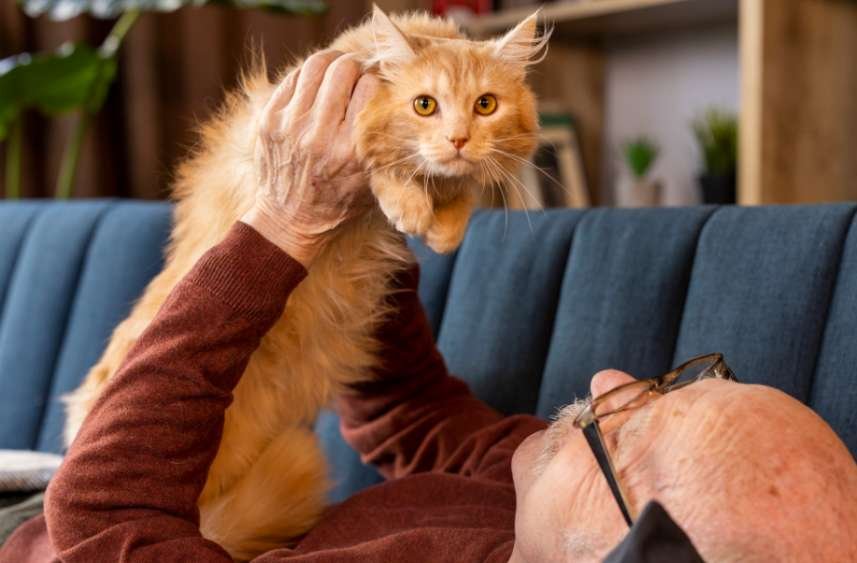
If you have ever stepped on a damp hairball in the hallway, you know how unpleasant it feels. I used to think hairballs were just a normal part of having a cat, but grooming taught me something important. Most hairballs start long before your cat coughs them up. They begin when loose fur sits on the coat and gets swallowed during daily self-cleaning.
That is why How Grooming Helps Prevent Hairballs is such an important topic for cat parents. Grooming does not just make your cat look neat. It removes loose fur, reduces matting, supports skin health, and lowers the amount of hair your cat swallows.
Why Cats Get Hairballs
Cats are natural groomers. Their tongues have tiny hook-like structures that pull loose fur from the coat. Most of that swallowed fur passes through the digestive system, but sometimes it gathers in the stomach and comes back up as a hairball.
Hairballs are more common in long-haired cats, heavy shedders, older cats, and cats that groom excessively. Seasonal cat shedding can also make the problem worse.
During spring and fall, many cats lose more fur, which means they may swallow more hair than usual.
Short-haired cats can get hairballs too. Even if the coat looks smooth, loose undercoat can still build up. That is why grooming should not be only for fluffy breeds.
How Regular Grooming Reduces Hairballs
The main benefit of grooming is simple. You remove loose fur before your cat swallows it. Brushing catches dead hair, undercoat, dander, and small tangles before they become part of your cat’s grooming routine.
Many cat owners researching how to reduce cat shedding naturally start with consistent brushing and coat care habits.
Grooming also helps you spot problems early. You may notice mats, dry skin, fleas, irritation, or areas where your cat is over-grooming. These signs matter because over-grooming can increase swallowed hair and may point to stress, allergies, pain, or skin discomfort.
Another reason grooming works is that it keeps the coat moving naturally. When fur becomes tangled, loose hair gets trapped. Your cat may lick harder to remove it, which increases the chance of swallowing more hair. A smooth, well-maintained coat is easier for your cat to manage.
How Often Should You Groom Your Cat?

Short-haired cats usually do well with the best cat brushes two or three times a week. Long-haired cats often need daily grooming, especially around the belly, chest, tail, and behind the ears. Heavy shedders may also need daily brushing during seasonal coat changes.
Senior cats may need extra help because they may not twist, bend, or groom as easily as they once did. Overweight cats may also struggle to reach certain areas, especially near the back and tail. For these cats, short and gentle grooming sessions work better than one long session.
Best Grooming Tools for Hairball Control
A grooming glove is a good choice for cats that dislike brushes. Some pet owners also use gentle grooming wipes for dogs. Between brushing sessions to remove loose fur, dander, and surface dirt from the coat.
It feels more like petting and helps remove surface hair. A slicker brush works well for cats with thicker coats, but it should be used gently. Too much pressure can irritate the skin.
A metal comb is useful for long-haired cats because it reaches deeper into the coat and catches small tangles before they turn into mats. A deshedding tool can help during heavy shedding seasons, but it should not be overused. Once or twice a week may be enough for many cats.
For badly matted cats, professional grooming is safer. Pulling mats at home can hurt the skin, and cutting them with scissors can cause accidental injury.
How to Groom a Cat That Hates Brushing
Some cats dislike grooming because they associate it with pulling, pressure, or long sessions. Start small. Let your cat smell the brush first. Then brush one or two strokes and stop before your cat gets annoyed.
Choose a calm time, such as after a meal or nap. Use treats, praise, and a soft voice. Focus first on easy areas like the back and shoulders. Avoid sensitive spots until your cat becomes more comfortable.
The goal is not to finish the whole coat in one sitting. The goal is to build trust. A few calm minutes each day can do more than one stressful grooming session each month.
Other Natural Ways to Reduce Hairballs

Grooming is the biggest step, but it works even better with good daily care. Hydration matters because moisture helps the digestive system move swallowed fur through the body. Wet food, fresh water, or a pet fountain may encourage better fluid intake.
Fiber can also support normal digestion. Some cat foods are made for hairball control and include fiber blends to help move fur through the gut. Always choose food that fits your cat’s age, weight, and health needs.
Playtime helps too. Active cats move more, which can support digestion and reduce stress-related over-grooming. Even ten minutes of wand play can make a difference.
Mistakes That Can Make Hairballs Worse
Skipping grooming during shedding season is one of the biggest mistakes. Loose fur builds up quickly, and your cat may swallow more hair while trying to clean it away. Bathing too often can also be a problem. Cats usually do not need frequent baths unless recommended by a groomer or vet. Too much bathing may dry the skin and make shedding worse.
Using the wrong tool is another issue. A harsh brush can make grooming painful, while a soft brush may not remove enough undercoat from thick-coated cats. Ignoring mats is also risky. Mats trap loose fur and pull on the skin. They can lead to irritation, discomfort, and more licking.
When Hairballs May Need Vet Attention
An occasional hairball may not be alarming, but frequent hairballs should not be ignored. Call a vet if your cat coughs or retches often, vomits repeatedly, stops eating, becomes tired, loses weight, has constipation, or seems uncomfortable.
Also pay attention if your cat keeps gagging but does not bring up a hairball. Sometimes coughing, asthma, digestive issues, or another medical problem can look like a hairball episode.
Frequently Asked Questions
1. How Grooming Helps Prevent Hairballs in long-haired cats?
It removes loose fur and undercoat before the cat swallows it. Long-haired cats usually need more frequent brushing because their coats trap more dead hair and tangle more easily.
2. Can short-haired cats still get hairballs?
Yes. Short-haired cats still shed, and they can swallow loose fur during self-grooming. Regular brushing helps reduce that swallowed hair.
3. Is daily brushing safe for cats?
Daily brushing is safe when done gently with the right tool. Keep sessions short and stop if your cat shows stress.
4. Do hairball control foods replace grooming?
No. Hairball control foods may support digestion, but grooming removes fur before it is swallowed. The best approach often combines brushing, hydration, diet, and vet guidance when needed.
Final Thoughts
I see grooming as one of the simplest ways to keep a cat more comfortable at home. It is not just about a shiny coat. It helps reduce swallowed fur, prevents painful mats, supports skin health, and gives you a chance to notice small changes early.
If your cat struggles with hairballs, start with short brushing sessions and build a calm routine. With the right tools and a little patience, grooming can turn from a battle into a healthy habit your cat learns to accept.