
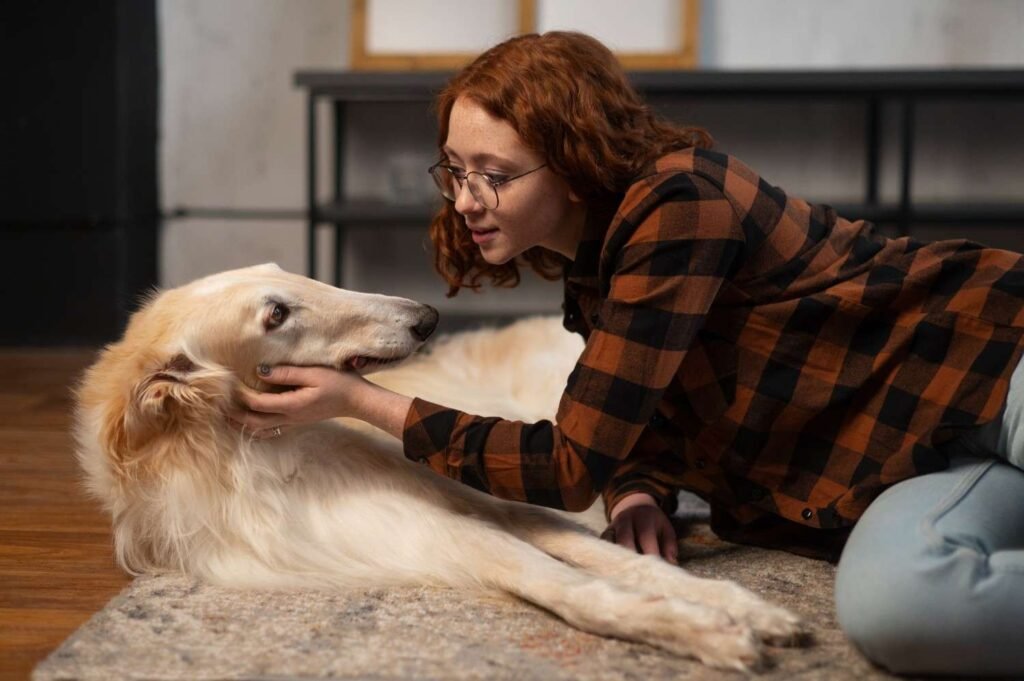
I still remember the first time I realized my dog was truly panicking whenever I left the house. At first, I thought the barking and pacing were normal adjustment behaviors. Then neighbors mentioned nonstop whining, scratched doors, and frantic behavior the moment I pulled out of the driveway.
That pushed me to start researching real solutions for dog separation anxiety training instead of relying on generic advice that only made things worse.
What I discovered completely changed the way I approached the problem. I learned that separation anxiety is not stubbornness or bad behavior. It is panic. The goal is not to force independence overnight. The real goal is to slowly change your dog’s emotional response from fear and stress into neutrality and boredom.
Once I understood that concept, progress finally started happening.
What Causes Separation Anxiety in Dogs?
Many American dog owners unknowingly create routines that make dogs overly dependent on constant human presence. Remote work schedules, sudden life changes, adoption transitions, and inconsistent routines all contribute to anxiety problems.
Even though a pet makes a good companion, dogs can still struggle emotionally when they become too reliant on constant interaction and reassurance.
Some dogs develop anxiety after:
- Moving to a new home
- Being rehomed from a shelter
- Changes in work schedules
- Losing a family member or pet companion
- Spending months constantly around their owners
Dogs thrive on predictability. When their environment suddenly changes, panic can develop quickly.
Common Signs Your Dog Has Separation Anxiety
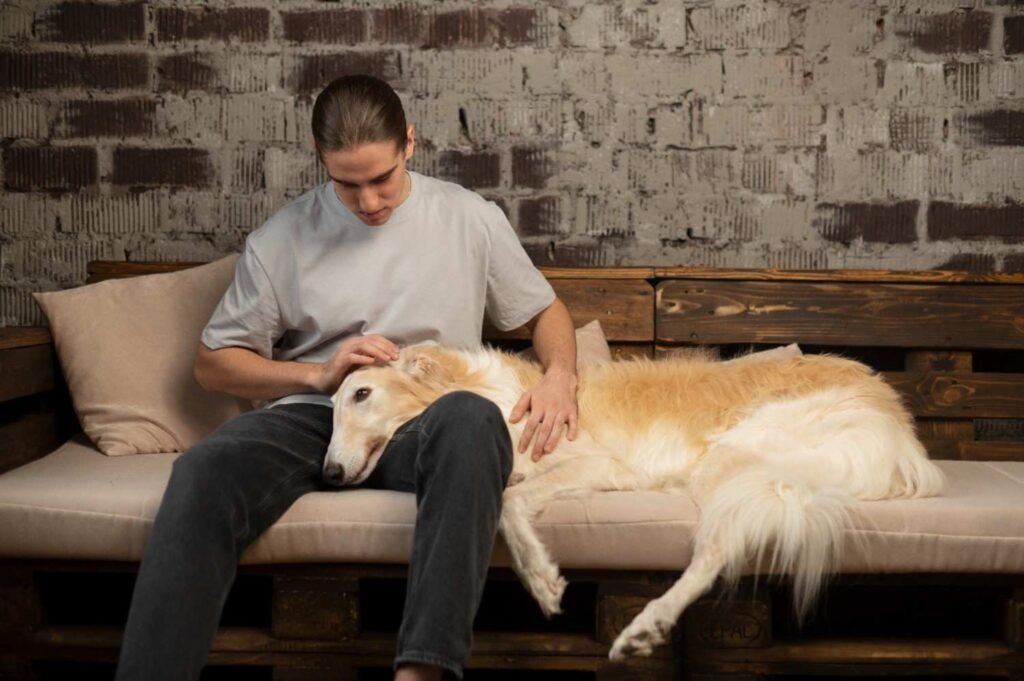
One thing I noticed early was that true separation anxiety starts before you even leave the house. My dog reacted the moment I picked up my keys or put on shoes.
Common warning signs include:
- Pacing
- Panting
- Lip licking
- Yawning repeatedly
- Barking or whining
- Scratching at doors
- Drooling excessively
- Indoor accidents
- Destructive chewing
- Escape attempts
Many dogs also stop eating treats once their owner leaves. That often signals severe stress levels.
Why Most Separation Anxiety Advice Fails
A lot of online advice still tells owners to let dogs “cry it out.” That approach often backfires badly.
When a dog repeatedly experiences full panic attacks, the brain strengthens the fear response instead of calming it. I learned that successful training depends on preventing panic whenever possible during the learning process.
That completely changed how I handled departures.
Step 1: Find Your Dog’s Panic Threshold
The biggest breakthrough came when I started measuring exactly how long my dog could remain calm alone.
I set up a phone camera inside the house using a free video call app. Then I left the house while watching remotely.
The moment I closed the door, I started a stopwatch.
Instead of waiting for barking, I looked for subtle stress signals first:
- pacing
- rapid panting
- stiff body posture
- whining
- repeated yawning
- staring at the door
For my dog, anxiety started at about 42 seconds.
That became my starting point for dog separation anxiety training.
Instead of forcing longer absences, I stayed below that threshold every single session.
Step 2: Desensitize Departure Triggers
Dogs become experts at predicting departures. Mine reacted instantly whenever I touched my keys. This type of anticipatory stress is one of the most common forms of anxious behavior in dogs dealing with separation anxiety.
I started breaking those patterns throughout the day.
I would:
- Put on shoes and sit on the couch
- Pick up keys and walk into the kitchen
- Open the front door briefly without leaving
- Put on a jacket and continue doing chores
At first, my dog watched every movement intensely. After consistent repetition, those triggers stopped carrying emotional meaning.
That alone reduced anxiety significantly.
Step 3: Practice Micro Departures
This was the most important part of the entire process.
I stopped doing long practice absences and instead focused on tiny, controlled departures.
At first I simply:
- Walked to the door
- Touched the handle
- Walked away calmly
Then I progressed to:
- Opening the door slightly
- Stepping outside for one second
- Returning calmly before panic started
Over time I varied the intervals randomly:
- 2 seconds
- 5 seconds
- 1 second
- 8 seconds
The randomness prevented my dog from anticipating a predictable pattern.
Eventually those seconds turned into minutes, and later into longer absences.
Why Neutral Departures Matter

I used to tell my dog goodbye every single time I left. Looking back, I was accidentally signaling that something emotional was about to happen.
Now I completely avoid dramatic departures.
I ignore my dog for several minutes before leaving and stay calm when returning home.
Once I stopped making departures feel important, my dog slowly stopped treating them like emergencies.
Exercise and Mental Enrichment Changed Everything
One of the fastest improvements happened when I added more mental stimulation before departures.
A bored, under-stimulated dog often struggles more with anxiety.
Before leaving, I now prioritize:
- long sniff walks
- fetch sessions
- obedience drills
- scent games
- puzzle feeders
- frozen chew toys
Sniffing activities especially helped because they naturally lowered my dog’s stress levels.
Scatter feeding also became part of our routine. I would hide food around the room so my dog could “hunt” for meals while I prepared to leave.
Should You Use a Crate for Separation Anxiety?
This depends entirely on the individual dog.
Some dogs feel secure in crates, but others experience confinement distress that makes panic dramatically worse.
My dog became more frantic inside a crate, so I switched to a gated room with calming music and comfortable bedding.
If your dog bends crate bars, breaks teeth, or injures themselves while confined, speak with a veterinarian or certified trainer immediately.
The Biggest Mistakes I Had to Stop Making
One mistake nearly destroyed our progress: increasing alone time too quickly.
Whenever I pushed too far, anxiety returned immediately.
I also learned never to:
- punish panic behaviors
- yell after accidents
- force extended absences too early
- rely on “cry it out” methods
Punishment only increases fear because anxious dogs are not making conscious decisions to misbehave.
How Long Does Separation Anxiety Training Take?
This depends on severity.
Mild cases may improve within weeks. Severe cases sometimes require several months of consistent work. Using the best dog training treats during calm-alone exercises can also help reinforce positive emotional associations more effectively.
The most important lesson I learned was that progress is rarely linear. Some days felt amazing, while others felt like setbacks. Consistency mattered more than perfection.
Over time, my dog slowly learned that being alone no longer predicted panic.
That is when dog separation anxiety training finally started producing lasting results.
When to Get Professional Help
Some dogs need additional support beyond home training.
I strongly recommend working with a veterinarian or certified separation anxiety specialist if your dog:
- harms themselves while alone
- breaks through doors or windows
- refuses food entirely
- experiences nonstop panic attacks
- shows no progress after consistent training
In severe cases, medication combined with behavior modification can dramatically improve recovery outcomes.
Frequently Asked Questions (FAQs)
1. What is the fastest way to reduce separation anxiety in dogs?
The fastest improvement usually comes from identifying the dog’s panic threshold and practicing very short departures that stay below that stress limit.
2. Can separation anxiety in dogs be cured completely?
Many dogs improve dramatically with consistent routines, gradual desensitization, and mental enrichment. Severe cases may still require ongoing management.
3. Does exercise help anxious dogs stay calm alone?
Yes. Aerobic exercise, sniff walks, puzzle toys, and enrichment games can lower overall stress and improve emotional regulation.
4. Should I ignore my dog when I come home?
Keeping arrivals calm helps reduce emotional intensity around departures and returns.
5. Can puppies develop separation anxiety?
Yes. Puppies can become overly dependent if they never learn gradual independence early in life.
Final Thoughts
Helping a dog overcome canine separation anxiety requires patience, structure, and realistic expectations. Once I stopped focusing on “fixing” behavior and started focusing on changing emotional responses, everything improved.
The biggest breakthroughs came from slowing down, preventing panic, and building confidence through tiny successful repetitions. Those small wins eventually created calm, relaxed departures that once felt impossible.