
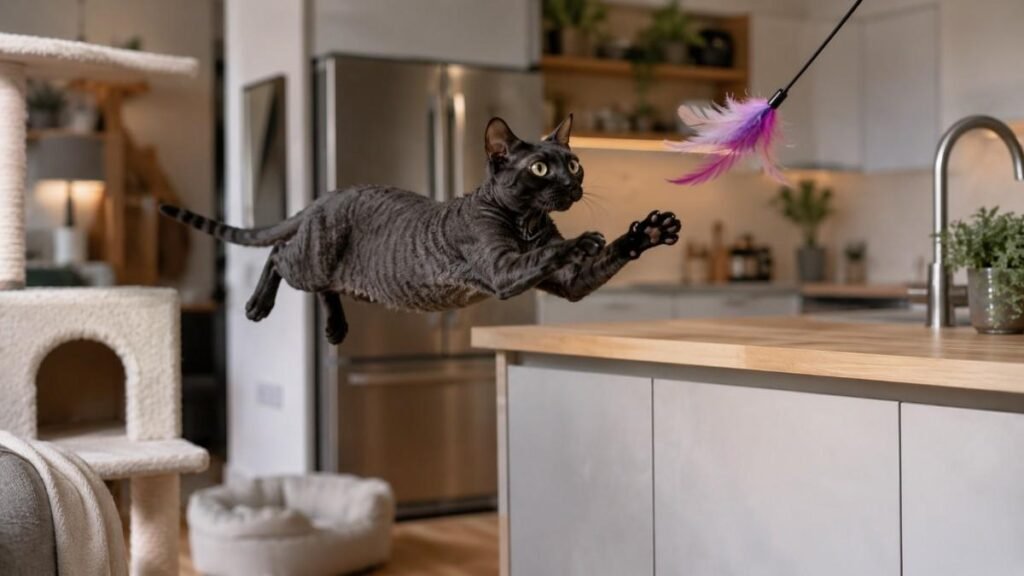
Life with an indoor cat can feel entertaining and chaotic at the same time. One minute the kitchen is peaceful, and the next minute a furry little athlete is sprinting across the floor chasing invisible prey. Finding creative indoor cat exercise ideas became important after noticing how quickly indoor cats can become bored, lazy, or restless inside modern homes and apartments. Thankfully, keeping cats active does not require huge spaces or expensive setups.
Why Indoor Cats Need Daily Exercise?
Indoor cats are safer indoors but often become less active. Without regular stimulation, they may overeat, scratch furniture, or develop restless behavior.
Physical Benefits for Indoor Cats
Daily exercise helps cats maintain healthy weight, muscle strength, flexibility, and joint health. Short play sessions also support cardiovascular fitness and mimic natural hunting instincts.
Mental Stimulation Matters
Interactive toys, puzzle feeders, and climbing spaces keep cats mentally engaged. Stimulated cats are calmer, less destructive, and more socially connected with their owners.
Stylish Indoor Enrichment Ideas
Modern kitchens and small apartments can easily support cat enrichment with shelves, tunnels, and play zones that blend into home décor.
Indoor Cat Exercise Ideas for Small Homes
Small apartments and compact homes can still provide plenty of opportunities for feline exercise and enrichment.
Interactive Play Sessions
Interactive play is one of the best indoor cat exercise ideas because it combines movement, mental stimulation, and bonding. Wand toys and teaser toys encourage cats to stalk, chase, jump, and pounce naturally. Laser pointer games also work well for energetic cats who love wildlife, but always end the session with a physical toy or treat they can catch.
Fetch and Chase Games

Many indoor cats enjoy fetch-style games using catnip toys, plush mice, or crumpled paper balls. Catnip bubbles are another fun option that encourages jumping and swatting. These quick activities are perfect for apartments because they require very little space.
Kitchen-Friendly Play Zones
Modern kitchens can double as playful enrichment areas for cats. Open layouts support chasing games, while corners can hold compact cat trees or scratching posts. Floating shelves create climbing spaces, and woven baskets help organize toys while keeping the space stylish and clutter-free.
Environmental Enrichment for Active Cats
Indoor cats need environments that encourage natural behaviors like climbing, hiding, stalking, and exploring.
Vertical Climbing Spaces
Vertical movement is one of the most effective indoor cat exercise ideas. Cat trees, wall-mounted shelves, and tall scratching posts encourage climbing, jumping, and balancing throughout the day. Elevated spaces also help cats feel safe and secure. Minimalist climbing shelves fit beautifully into modern apartments and kitchens.
Boxes, Tunnels, and Hideouts
Cardboard boxes and fabric tunnels create fun spaces for hiding, pouncing, and exploring. Cats love sneaking through tunnels and ambushing toys during playtime. Rearranging boxes occasionally keeps the environment exciting and mentally stimulating.
Window Perches for Mental Exercise
Window perches provide excellent mental enrichment for indoor cats. Watching birds, people, and outdoor movement helps reduce boredom and keeps curious cats entertained. Sunny kitchen windows are especially popular resting and observation spots.
Indoor Cat Exercise Ideas Using Food Motivation
Food-based enrichment works incredibly well for cats because it activates natural hunting instincts.
Puzzle Feeders and Slow Feeders
Puzzle feeders encourage cats to work for their food instead of eating passively from bowls. Cats push, slide, dig, or paw at compartments to release kibble. This type of mental exercise slows eating while increasing movement and problem-solving skills. Puzzle feeding is especially helpful for overweight indoor cats.
Hidden Treat Hunts
Hiding treats around the home transforms snack time into an exciting scavenger hunt. Place treats on chairs, shelves, or inside boxes to encourage climbing and exploration. Indoor cats love searching for hidden rewards because it mimics natural prey hunting behavior. This activity also works well in compact apartments where floor space is limited.
Feeding Routines That Encourage Activity
Instead of free-feeding all day, divide meals into smaller portions and pair them with wet vs dry cat food and movement. Encouraging cats to chase toys before meals creates healthier routines while increasing physical activity naturally.
How To Use Indoor Cat Exercise Ideas Successfully
Building a successful exercise routine starts with consistency rather than intensity.

Aim for at least three short five-minute play sessions each day instead of one long workout. Cats naturally prefer quick bursts of energetic activity followed by rest periods.
Rotate toys every few days to keep playtime exciting. Cats lose interest quickly when the same toys remain available constantly. Switching textures, sounds, and movement styles encourages curiosity and engagement.
Always supervise string toys or wand toys during active play to prevent accidental swallowing or injury. Safety should remain a priority during exercise sessions.
Pay attention to your cat’s personality and energy level. Some cats enjoy climbing and jumping, while others prefer treat puzzles or slow-paced hunting games. Matching activities to your cat’s preferences increases participation and enjoyment.
Exercise Plans by Cat Age
Cats need different exercise routines depending on their life stage and health condition.
Kittens Need Frequent Play
Kittens have endless energy and short attention spans. Multiple quick play sessions throughout the day work best for younger cats.
Feather wands, tunnels, and climbing games help kittens build coordination while supporting healthy growth and development.
Adult Cats Need Structured Movement

Adult indoor cats benefit from consistent routines that combine cardio and mental stimulation. Daily climbing, chasing, and puzzle feeding help maintain healthy body weight while reducing boredom-related behaviors.
Senior Cats Need Gentle Activity
Older cats with weight issues still need movement, but lower-impact exercise is usually safer and more comfortable. Slow wand games, treat hunts, and short climbing routes help maintain flexibility and mobility without stressing aging joints.
Indoor Cat Exercise Ideas for Overweight Cats
Overweight indoor cats require gradual and consistent movement rather than exhausting workouts. Laser pointer sessions work well because they encourage running without excessive jumping. Gentle climbing routes and treat scavenger hunts also increase movement safely.
Interactive puzzle feeders are especially effective for overweight cats because they slow eating while promoting physical activity at the same time. Short daily sessions produce better results than occasional intense workouts. Consistency is the key to healthy weight management.
Frequently Asked Questions
1. What is the best indoor exercise for cats?
Interactive wand toys are one of the best indoor exercises because they encourage running, jumping, stalking, and pouncing naturally.
2. What is the 3-3-3 rule for cats?
The 3-3-3 rule describes adjustment periods for adopted cats: three days to decompress, three weeks to settle in, and three months to feel fully comfortable.
3. How do I keep my cat entertained indoors?
Rotate toys regularly, create climbing spaces, use puzzle feeders, and schedule short interactive play sessions every day.
4. How do I say “hi” in cat language?
Slow blinking, gentle eye contact, and calm body language are common ways cats communicate friendliness and trust.
Purrfect Ending for Happy Indoor Cats
Creating fun indoor cat exercise ideas does not require expensive equipment or massive living spaces. Interactive play, climbing opportunities, puzzle feeding, and short daily workouts can completely transform an indoor cat’s health and happiness.
Even stylish kitchens and compact apartments can become exciting feline-friendly environments with the right enrichment strategies. Consistent routines, mental stimulation, and active engagement help indoor cats stay healthy, entertained, and deeply connected to their humans.