
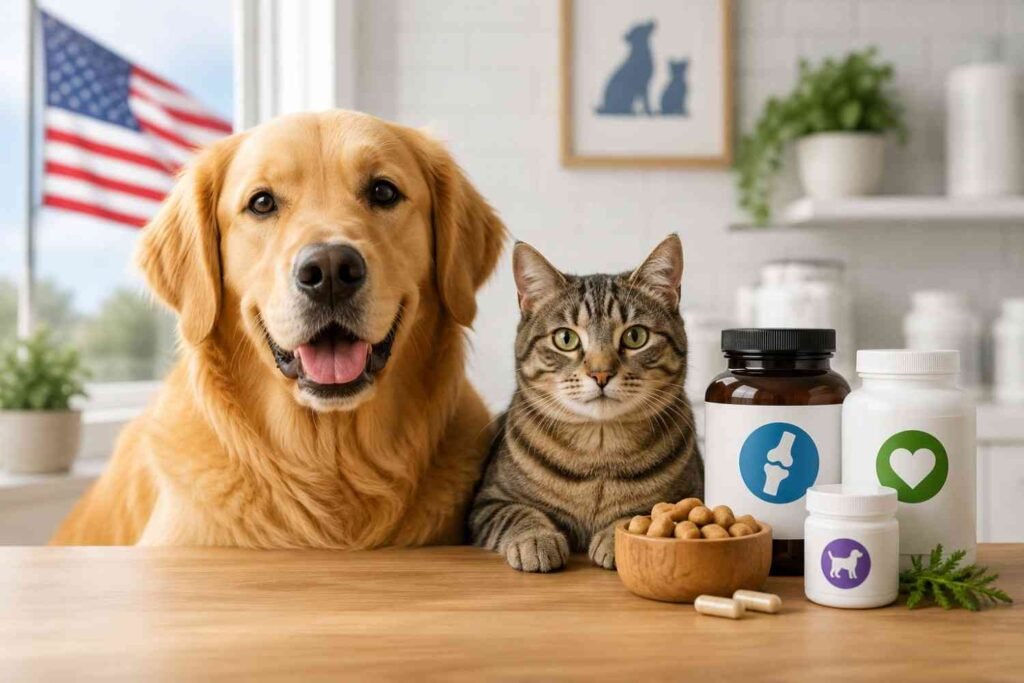
Most pet owners do not think much about supplements until something starts changing. Maybe their dog struggles to get up after sleeping. Maybe their cat’s coat suddenly looks dull and dry. Sometimes it starts with digestive issues that keep coming back no matter how carefully meals are planned. Those small changes are usually what push people into learning more about pet supplements.
The tricky part is knowing when supplements are actually useful and when they are unnecessary. Balanced meals, exercise, mental stimulation, and regular checkups matter more than any powder or chew. Supplements simply support areas where extra help is needed. That same mindset applies when people start understanding things like why healthy treats matter instead of focusing only on products labeled as “healthy.”
Some Life Stages Create Higher Nutritional Needs
Certain pets naturally require more nutritional support during different phases of life. Puppies, senior pets, and pregnant animals are the most common examples.
Large breed puppies grow fast, which places extra pressure on their developing bones and joints. Calcium balance becomes extremely important during this stage. Too little can affect growth, but too much calcium can also create painful skeletal problems that follow dogs into adulthood.
Pregnant and nursing pets also require additional nutritional support because their bodies are supplying nutrients for developing puppies or kittens. Folic acid, iron, and essential minerals often become more important during this period.
Joint Problems Often Start Quietly
Many people assume joint supplements are only for very old dogs, but mobility issues often begin earlier than expected.
At first, the signs are subtle:
- Slower movement after resting
- Hesitation before jumping
- Difficulty climbing stairs
- Mild limping after exercise
- Stiffness during colder mornings
These small changes usually point toward inflammation, cartilage wear, or joint stress. Glucosamine remains one of the most widely used ingredients for joint mobility support because it helps maintain cartilage structure. Chondroitin is commonly paired with it because it helps block enzymes that break down cartilage tissue.
Larger breeds often benefit from earlier joint support simply because their hips and knees handle more physical stress over time. Active dogs can also experience joint wear earlier than less active pets.
Skin And Coat Changes Can Reveal Nutritional Gaps

A pet’s coat usually reflects overall health surprisingly well. Healthy skin and fur often signal balanced nutrition and proper fat intake, while dull coats sometimes reveal underlying deficiencies.
Dry skin, flaky patches, brittle fur, weak nails, and excessive shedding may suggest missing nutrients or poor absorption. Fish oil supplements rich in EPA and DHA are commonly used to support skin and coat health because omega fatty acids strengthen the skin’s moisture barrier.
Biotin also plays a role in maintaining healthy skin and coat quality. Low levels may contribute to itching, flaky skin, and poor fur texture.
Indoor cats frequently experience coat-related changes, too, especially when they eat limited diets for long periods. Sometimes these problems improve after adjusting nutrition rather than switching grooming products repeatedly.
Digestive Support Does More Than Improve Stomach Issues
Digestive health affects much more than bowel movements. The gut influences nutrient absorption, immune function, skin condition, and energy levels.
Pets with chronic diarrhea, bloating, acid reflux, or frequent vomiting sometimes struggle with imbalanced gut bacteria. Probiotics for pets are commonly used to restore healthier bacterial populations inside the digestive tract. Certain strains like Lactobacillus, help support digestive balance after illness, antibiotics, or dietary stress.
Prebiotic fiber works differently. Instead of adding bacteria directly, it feeds the healthy bacteria already living inside the gut. Together, probiotics and prebiotics can improve digestive support and help pets absorb nutrients more efficiently.
Digestive supplements become especially useful after sudden food changes or restricted diets. Some elimination diets accidentally remove important nutrients naturally found in organ meats or whole proteins, creating nutritional gaps over time.
Homemade Diets Need Careful Supplement Planning

Homemade feeding has become much more common, but many owners underestimate how difficult balanced pet nutrition actually is.
Raw diets and homemade meals frequently lack important trace minerals like zinc, manganese, iodine, or taurine. Even pets eating fresh ingredients can still develop deficiencies if meals are not carefully balanced.
This is one of the clearest situations where pet health supplements can genuinely help. Supplements may fill important gaps when pets are not eating nutritionally complete diets.
Still, supplements should support healthy feeding practices instead of covering up poor nutrition habits long-term.
Too Many Supplements Can Become Dangerous
People often combine multiple products without realizing that many ingredients overlap. Excessive vitamin and mineral intake can create serious health issues over time.
Vitamin A toxicity is one example. Since it is fat-soluble, excess amounts build up in the liver and may contribute to painful bone abnormalities. Calcium overload in puppies can permanently damage skeletal growth. High mineral levels can also place extra stress on the kidneys and liver.
A safer approach includes:
- Adding one supplement at a time
- Monitoring changes gradually
- Choosing veterinarian-approved products
- Avoiding unnecessary overlap
- Matching supplements to actual symptoms
Supplements work best when they solve specific problems rather than serving as random “health boosters.”
FAQs: When To Use Pet Supplements For Better Long-Term Pet Health
1. When should pets start taking supplements?
Some pets benefit earlier than others, depending on breed, diet, age, and health condition. Large breed puppies and senior pets are often the most common candidates for nutritional support.
2. Are pet supplements necessary for healthy pets?
Not always. Many healthy pets eating complete diets may never need supplements. Supplements are usually more helpful for pets with specific health concerns, restricted diets, or age-related changes.
3. Can digestive supplements help with skin problems?
Yes, sometimes. Poor gut health can affect nutrient absorption and inflammation levels, which may indirectly impact skin and coat condition.
4. Is it safe to give pets human supplements?
Not automatically. Some human supplements contain ingredients or dosages that are unsafe for animals. It is always better to use products specifically formulated for pets.
Final Thoughts
Pet supplements can absolutely support long-term wellness when used thoughtfully. Joint care, digestive balance, skin health, aging support, and nutritional deficiencies are all situations where supplements may genuinely improve quality of life. But supplements work best when they are targeted, balanced, and paired with strong daily habits. They should support health, not replace the basics that keep pets healthy in the first place.
Most pets do not need an overflowing cabinet full of powders and chews. They usually need consistency, proper nutrition, exercise, and owners who pay attention to small changes before they become bigger problems.