
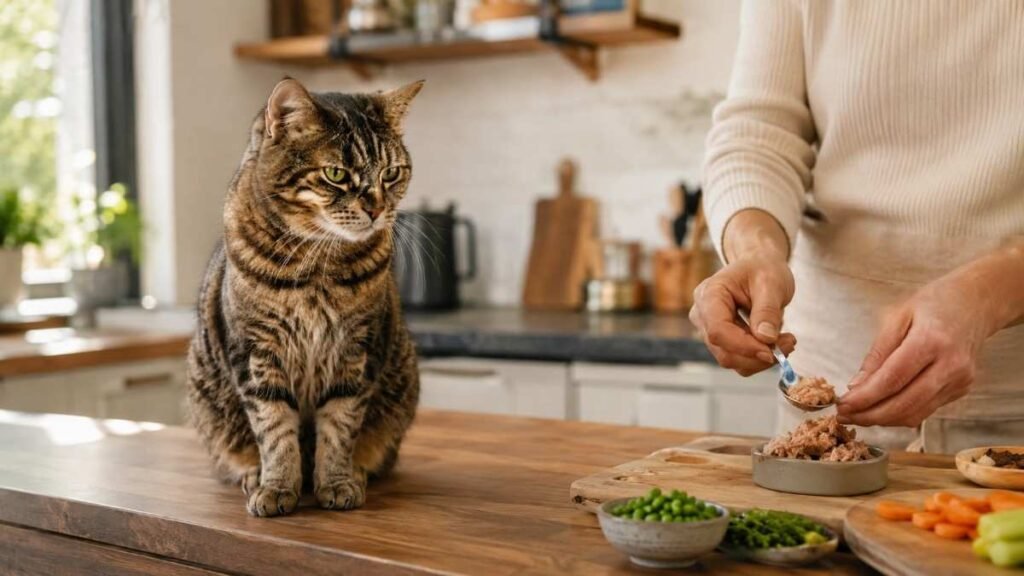
Watching an older cat slowly lose weight can feel heartbreaking, especially during little daily moments around the kitchen or dining table. Senior cat weight loss is common in aging felines, but it should never be brushed off as a normal part of getting older. Sudden thinning, visible bones, appetite changes, or muscle loss often point to underlying health conditions that need attention quickly.
Key Takeaways
- Senior cat weight loss often signals underlying illness
- Hyperthyroidism and kidney disease are common causes
- High-protein wet food helps support aging cats
- Regular weight checks help catch issues early
- Veterinary care is essential for proper diagnosis
Senior Cat Weight Loss: Why Does it Happen?
Understanding the cause is the first step toward helping your cat feel better again.
Hyperthyroidism And Senior Cat Weight Loss
Hyperthyroidism in senior cats is one of the most common reasons for senior cat weight loss. This condition happens when the thyroid gland becomes overactive and speeds up metabolism. Cats with hyperthyroidism often eat constantly while still losing weight rapidly.
Many owners first notice increased hunger, restlessness, and excessive meowing around feeding time. Even cats lounging near the kitchen island waiting for food may continue looking thinner week after week despite eating large meals.
Kidney Disease And Muscle Loss
Chronic kidney disease affects many elderly cats and commonly leads to weight loss and dehydration. Older cats with kidney issues may drink more water, urinate frequently, and develop poor appetite over time.
Muscle wasting becomes especially noticeable around the spine, hips, and shoulders. A once fluffy cat may suddenly feel bony when picked up or petted along the back.
Diabetes And Digestive Disorders
Diabetes mellitus can also trigger senior cat weight loss. Cats with diabetes often show increased thirst, frequent urination, and appetite changes. Even with regular eating habits, their bodies struggle to use nutrients properly.
Gastrointestinal conditions like inflammatory bowel disease reduce nutrient absorption and may cause vomiting, diarrhea, or gradual thinning. These conditions often require specialized nutrition plans and veterinary treatment.
Signs You Should Never Ignore
Small changes in behavior often appear before major weight loss becomes obvious.
Senior Cat Weight Loss Despite Eating
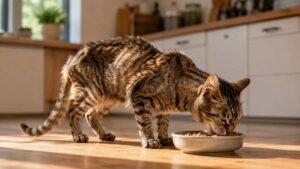
One of the biggest warning signs is senior cat weight loss despite a healthy appetite. Cats who eat normally but continue losing weight may have thyroid disease, diabetes, or digestive disorders.
This symptom should always prompt a veterinary visit. Waiting too long can make treatment more difficult and reduce quality of life for aging cats.
Dental Pain And Reduced Appetite
Dental disease is another overlooked cause of weight loss in elderly cats. Painful teeth and inflamed gums can make chewing uncomfortable, especially with dry kibble.
Some cats approach the food bowl eagerly but stop after a few bites. Softer foods and warm wet meals often feel easier to eat and smell more appealing.
Behavioral Changes Around The Home
Senior cats experiencing illness may hide more, sleep excessively, or stop grooming regularly. Others become clingy and follow owners through the kitchen or living room searching for comfort.
Increased thirst, vomiting, lethargy, and confusion should never be ignored alongside weight loss.
How To Manage Senior Cat Weight Loss
Managing senior cat weight loss starts with finding the root cause instead of simply feeding more treats or larger portions.
See A Veterinarian Quickly
Senior cat weight loss is often linked to treatable illnesses, so early diagnosis matters. Veterinarians usually recommend bloodwork, urine testing, and physical exams to identify thyroid disease, kidney disease, diabetes, or digestive problems.
Fast intervention can dramatically improve long-term health outcomes. Mobile veterinary services may also help cats who become anxious during clinic visits.
Improve Nutrition Carefully

Senior cats need highly digestible, protein-rich food to maintain healthy muscle mass. Wet food is often easier to chew, supports hydration, and delivers more aroma for aging cats with weaker senses of smell.
Many veterinarians recommend feeding smaller meals throughout the day instead of one or two large portions. Warm food slightly before serving to encourage appetite naturally. Avoid giving any kind of raw food diet to the cat.
Create A Calm Feeding Space
Older cats appreciate quiet feeding areas away from loud appliances or busy household traffic. A cozy feeding station tucked near a calm kitchen corner can reduce stress and encourage more consistent eating. Raised bowls and non-slip feeding mats may also help arthritic cats eat comfortably without straining their joints.
How To Monitor Senior Cat Weight Loss At Home
Tracking changes early can prevent serious complications later.
Weigh Your Cat Regularly
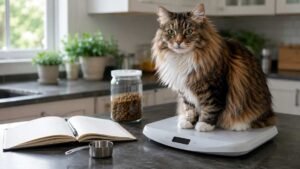
Regular weight checks help owners notice patterns before visible muscle loss becomes severe. Small digital scales work well for monitoring lighter cats at home. Recording changes in a feeding journal or kitchen planner makes it easier to spot gradual declines over time.
Watch Food And Water Intake
Pay close attention to how much food actually disappears from the bowl each day. Multi-cat households can make this tricky because one cat may eat another’s meals unnoticed. Monitoring water intake also matters. Increased drinking is commonly linked to kidney disease and diabetes in senior cats.
Check Body Condition Weekly
Run your hands gently along the ribs, hips, and spine. Visible bones, reduced muscle, and sagging body shape may indicate unhealthy weight loss even if appetite seems normal. Body condition scoring helps veterinarians assess whether your cat is losing fat, muscle, or both.
Kitchen-Friendly Feeding Tips with Senior Cats
Simple home adjustments can make daily feeding easier for aging cats.
Use Softer And Warmer Meals
Warming wet food slightly enhances smell and makes meals more tempting. Older cats with reduced smell or taste often respond better to aromatic foods. Soft textures also help cats with dental pain or sensitive gums continue eating comfortably.
Build A Comfortable Feeding Routine
Cats thrive on predictable routines. Feeding meals at the same time each day near a peaceful dining or kitchen space can reduce anxiety and improve appetite. Modern pet-friendly kitchen designs often include hidden feeding drawers, water stations, and clutter-free corners that support senior pet wellness naturally.
Reduce Competition From Other Pets
Younger pets may intimidate elderly cats during mealtime. Separate feeding spaces allow older cats to eat calmly without feeling rushed or stressed. Quiet feeding routines often improve food intake significantly in multi-pet households.
Frequently Asked Questions
1. Can a senior cat lose weight and still be healthy?
Mild changes can happen with aging, but ongoing senior cat weight loss should always be evaluated by a veterinarian.
2. Why does my senior cat feel bony?
Muscle wasting commonly occurs in elderly cats due to aging, kidney disease, hyperthyroidism, or poor nutrition.
3. What are end of life signs in an elderly cat?
Loss of appetite, weakness, dehydration, confusion, hiding, and difficulty walking may signal declining quality of life.
4. Is it normal for my 14-year-old cat to be skinny?
Aging cats may lose some muscle, but visible bones and major weight loss are not considered normal.
Cozy Paws And Healthy Futures
Senior cat weight loss may seem subtle at first, but early attention can make an enormous difference in your cat’s comfort and quality of life. Watching for appetite changes, cat sleeping positions, monitoring weight regularly, and creating a calm feeding routine all help support healthy aging. With proper veterinary care, nutritious meals, and a stress-free home environment, many senior cats continue enjoying warm kitchen naps, cozy cuddles, and happy golden years for much longer.