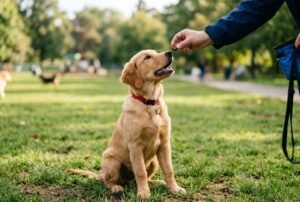
One of the biggest mistakes I almost made as a new puppy owner was waiting too long to start socialization. I thought basic obedience training mattered most in the beginning, but I soon realized confidence comes before perfect behavior. A puppy that feels safe around people, sounds, and new environments learns much faster later on.
During those early weeks, I noticed how sensitive puppies are to everyday experiences. Simple things like hearing a motorcycle, walking across tile floors, seeing someone in a hoodie, or riding in the car could either create curiosity or fear depending on how the experience was introduced.
That is when I started building a structured puppy socialization checklist to guide our daily routine. Instead of overwhelming my puppy with nonstop stimulation, I focused on calm exposure, positive reinforcement, and short successful experiences that slowly built confidence over time.
Looking back, those small moments made a huge difference. My puppy learned how to stay relaxed in busy environments, recover faster from surprises, and approach unfamiliar situations with curiosity instead of fear.
What Is Puppy Socialization and Why Does It Matter?
Puppy socialization means safely exposing your dog to everyday life while they are still developmentally open to learning. During the first few months, puppies naturally absorb new experiences faster than they will later in adulthood. This early confidence-building process also supports owners learning things like how to train a hyper dog because calmer, well-socialized puppies usually adapt to training much faster.
A properly socialized puppy learns that common situations are normal. This includes hearing traffic, walking on slippery floors, seeing people in uniforms, riding in vehicles, visiting parks, and being handled during grooming or veterinary exams.
I learned that socialization is not about overwhelming a puppy with nonstop interaction. Calm observation often works better than direct contact. One quiet, positive experience creates far more confidence than several stressful encounters.
Veterinarians and professional trainers across the US generally agree that the prime puppy socialization period occurs before 16 weeks of age. Missing this window can make fear responses harder to reverse later.
When Should You Start Socializing a Puppy?
I started socializing with my puppy the day he came home. Even before his full vaccination schedule was complete, I introduced him to safe sights, sounds, and environments in controlled ways.
This is where many American puppy owners become confused. They hear warnings about parvovirus and avoid taking puppies anywhere at all. While disease prevention matters, complete isolation creates behavioral risks.
The safest approach involves controlled exposure. I carried my puppy through shopping districts, sat outside pet-friendly stores, and invited healthy vaccinated dogs to visit. These small outings helped him experience the world safely while building confidence.
Sights and People Your Puppy Should Experience
One of the biggest lessons I learned was how important human variety is during puppyhood. Dogs do not naturally generalize appearances well. A puppy comfortable with one person wearing glasses may still fear someone wearing a hoodie or carrying a cane.
I exposed my puppy to people of different ages, body types, voices, and appearances. This included babies, toddlers, teenagers, adults, and senior citizens. I also introduced him to delivery drivers, police officers, runners, cyclists, and people wearing reflective work gear.
Accessories also matter during socialization. My puppy practiced calmly observing hats, sunglasses, winter coats, face masks, backpacks, umbrellas, and bulky clothing. I even exposed him to unusual movements like dancing, jogging, stretching, and skateboarding because sudden motion can trigger fear in dogs later.
Mobility tools are another overlooked category. I carefully introduced walkers, wheelchairs, crutches, and shopping carts from a safe distance while rewarding calm behavior.
Sounds That Help Prevent Noise Anxiety
Noise sensitivity is one of the most common behavioral issues among dogs in the United States. I focused heavily on gradual sound exposure because loud noises often become lifelong triggers if puppies never hear them early.
I started with common household sounds like vacuum cleaners, blenders, hair dryers, washing machines, microwave beeps, and doorbells. I kept the volume low at first and rewarded relaxed behavior immediately.
Outdoor noises became the next step. My puppy listened to motorcycles, traffic, sirens, buses, trains, skateboards, barking dogs, and construction sounds. I also used audio recordings of thunderstorms and fireworks because many dogs later develop severe storm anxiety.
The key was always staying below my puppy’s stress threshold. If he looked nervous, I increased distance or lowered the sound intensity instead of forcing exposure.
Textures and Surfaces Build Confidence
Many puppies become hesitant around unfamiliar flooring or unstable surfaces because they were never exposed to them early.
I introduced my puppy to hardwood floors, tile, carpet, concrete, grass, gravel, mud, sand, mulch, and wooden decks. I also practiced with unusual surfaces like metal grates, plastic tarps, wobbling boards, slick veterinary scales, and uneven stairs.
These experiences helped improve physical coordination while teaching my puppy that unfamiliar textures were safe to explore.
Safe Environment Exposure for Puppies
One thing that surprised me was how valuable everyday errands became for socialization practice. I used ordinary environments to teach calmness and confidence.
My puppy safely observed parking lots, outdoor café patios, hiking trails, apartment hallways, neighborhood sidewalks, pet-friendly stores, playgrounds, and local parks. Instead of forcing greetings, I rewarded calm observation from a comfortable distance.
Transportation also played a major role. My puppy practiced short car rides first, then gradually experienced buses, elevators, and busy urban environments. Exposure to movement helped reduce future anxiety during travel.
Moving objects were especially important because many dogs react strongly to motion later. I made sure my puppy saw bicycles, strollers, scooters, rollerblades, skateboards, and shopping carts regularly.
Handling and Vet Preparation Every Puppy Needs
One of the smartest things I did was start handling exercises early. Puppies that are comfortable being touched usually handle grooming and veterinary visits much better as adults.
Every day, I gently touched my puppy’s paws, nails, ears, mouth, tail, and collar while rewarding calm behavior. I practiced lifting his lips to inspect teeth, checking ears, wiping around the eyes, and lightly restraining him for a few seconds at a time.
I also introduced brushes, towels, nail clippers, water sprays, buzzing grooming tools, and bath routines slowly and positively.
These small exercises prevented stress later during grooming appointments and veterinary exams.
Understanding Puppy Body Language During Socialization

Reading body language changed the way I approached socialization. Puppies communicate discomfort long before they bark or panic.
Relaxed puppies usually show loose posture, curiosity, normal breathing, soft eyes, and willingness to take treats. Nervous puppies often display tucked tails, yawning, lip licking, freezing, cowering, trembling, or attempts to escape.
Whenever my puppy looked overwhelmed, I immediately increased distance from the trigger instead of pushing him closer. Giving puppies escape options builds trust and confidence much faster than forced exposure.
Common Puppy Socialization Mistakes
I made several mistakes during the early weeks, especially trying to introduce too many experiences too quickly during puppy socialisation. Puppies become mentally exhausted much faster than most owners realize.
One major mistake many owners make is visiting crowded dog parks too early. Uncontrolled interactions can overwhelm puppies and create fear during critical development periods.
Another mistake is assuming socialization only means dog play. True puppy socialisation involves exposure to the entire world, including sounds, handling, movement, transportation, surfaces, and unfamiliar environments.
The biggest lesson I learned was to prioritize quality over quantity. A calm observation from a distance is far more valuable than a stressful close interaction during puppy socialisation training.
Frequently Asked Questions (FAQs)
1. What is the best age to start puppy socialization?
The best time to begin puppy socialization is between 3 and 16 weeks because puppies learn new experiences fastest during this stage.
2. Can I socialize my puppy before vaccinations are complete?
Yes, but focus on safe and controlled environments like carrying your puppy in public or meeting healthy vaccinated dogs.
3. What are signs my puppy feels overwhelmed?
Common stress signs include tucked tails, lip licking, yawning, trembling, hiding, or refusing treats during new experiences.
Why Consistency Matters More Than Perfection
Looking back, the most effective part of socialization was consistency. I did not need perfect training sessions every day. I simply needed regular positive exposure that helped my puppy build confidence little by little.
Following a structured puppy socialization checklist helped me stay organized during those critical early months. Instead of randomly exposing my puppy to the world, I focused on intentional experiences that prepared him for real life in a busy American environment.
Today, my dog comfortably handles crowds, vet visits, traffic noise, road trips, grooming sessions, and unfamiliar people because those situations became normal early on. A thoughtful puppy socialization checklist does not just create a well-behaved dog. It creates a calmer and more confident companion for years to come.